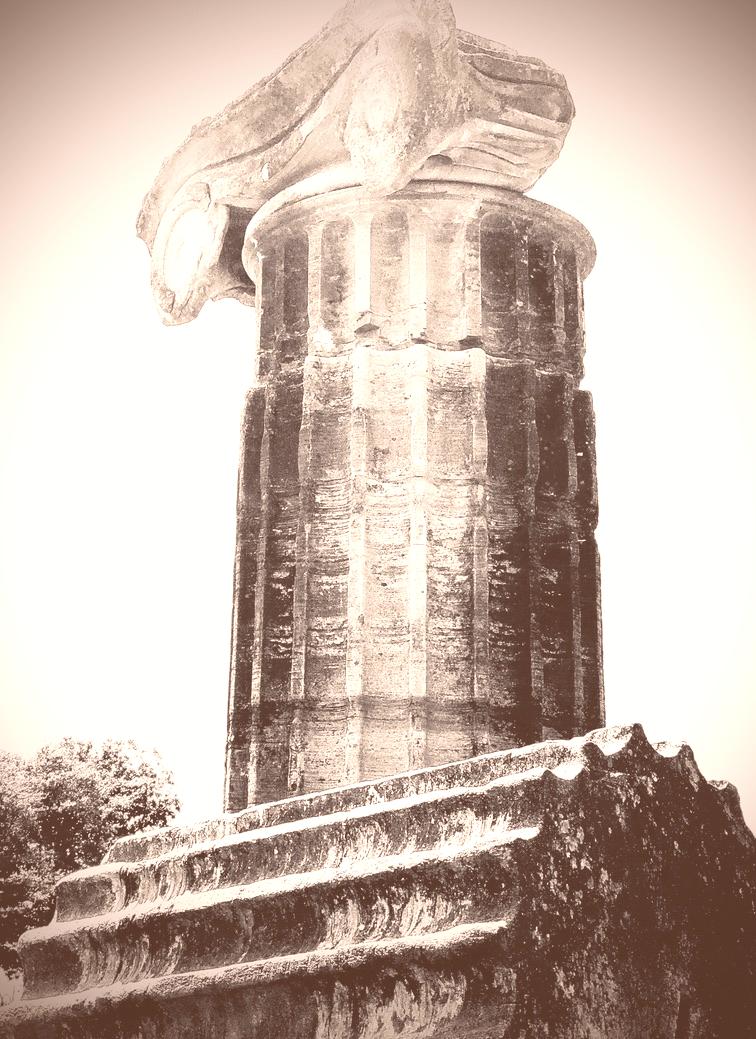
“All good things must come to an end.” I still recall the moment at age 19 when the reality sunk in. It was a misty fall morning while standing atop the Seattle Trade Center with my coffee, taking in the view of Elliot Bay to the drone of a fog horn. Across the street on Pier 69 was the former warehouse of the American Can Company, a once bustling manufacturer along Seattle’s waterfront, silent for decades at that point.
Seattle Trade owned that building as well, and I’d crossed the creepy old skybridge connecting the sites a time or two. It was a time capsule of life long past; the tools, machinery, newspapers, former workstations with ash trays, and soda bottles, all dusted with a thick layer of time. It was as quiet as a tomb, but for the pigeons who found refuge in the huge space.
As I reflected on those explorations, a sudden awareness of inevitable change flashed through my mind. A philosophical glimpse of the fleeting, we’ll say.
I’d love to report that the experience informed my interactions thereafter, but the practical application eluded me until years later. This pivotal lesson is one that I wish would have stuck with me at the time.
So how does this familiar saying translate into our writing of fiction? Well, in this musing we aren’t the passive observers of change. Writers are the agents who bring about the end to those aforementioned all good things. It’s a vital role, one which requires our full attention; because knowing where to end the story is equal in importance to those opening chapters that capture a reader’s imagination.
During the writing process we witness the unfolding of a story and that’s a mesmerizing encounter. To be lost in the twists and turns as our fingers hit the keys is something hard to beat. Meredith Hawthorne describes her own unique approach in The House of Long Shadows, but there remains a duty that every writer has. We’ve mused before about authors having the final word in Negotiating With Characters, and in short, no matter how much we enjoy their companionship and revelations along the way, there is a time and place for that final keystroke.
When do we get there?
That’s between the author and characters, but here’s a 3 step check down that I use:
1) Have we told the story?
2) Have we pulled together all the intended sub-threads.
3) Have we given a reader enough runway to land the plane.
While simple, these keep me on the right track.
A career in the music industry was great preparation for this journey as a book writer. Whether at a tour rehearsal, out on the road, or in the studio making a record, there’s a vulnerability from your favorite artist that the masses rarely see. We only experience the end product, and not the vast amount of work behind the curtain it takes to bring that art to life. Oh, and trust me; some of the best characters are behind the curtain!
Writing novels is similar in that the characters become part of our inner circle; a family. They witness our struggles, frustrations, victories, and most importantly; our commitment to get their stories right. We also find that just like any team effort, a bond is forged by walking through the fire together.
This is what I find most difficult about that final keystroke. We’re not just finishing the story, we’re saying goodbye to relationships that are unique between an author and our characters, sometimes years in the making. It’s the nature of things, and an honor joins the solace when we introduce those characters and their stories to an audience.
So, all good things really don’t come to an end. Instead they just evolve; and what’s more, they create room for the next good thing to begin.
I hope you found something useful for your writing or reading experiences. If so, please share it! Sign up for the mailing list here.
Scroll down and leave a comment, I’d love to hear from you!
Up next for April – The B word . . .
Until then—
Happy words,

-Bruno